 April 30, 2026
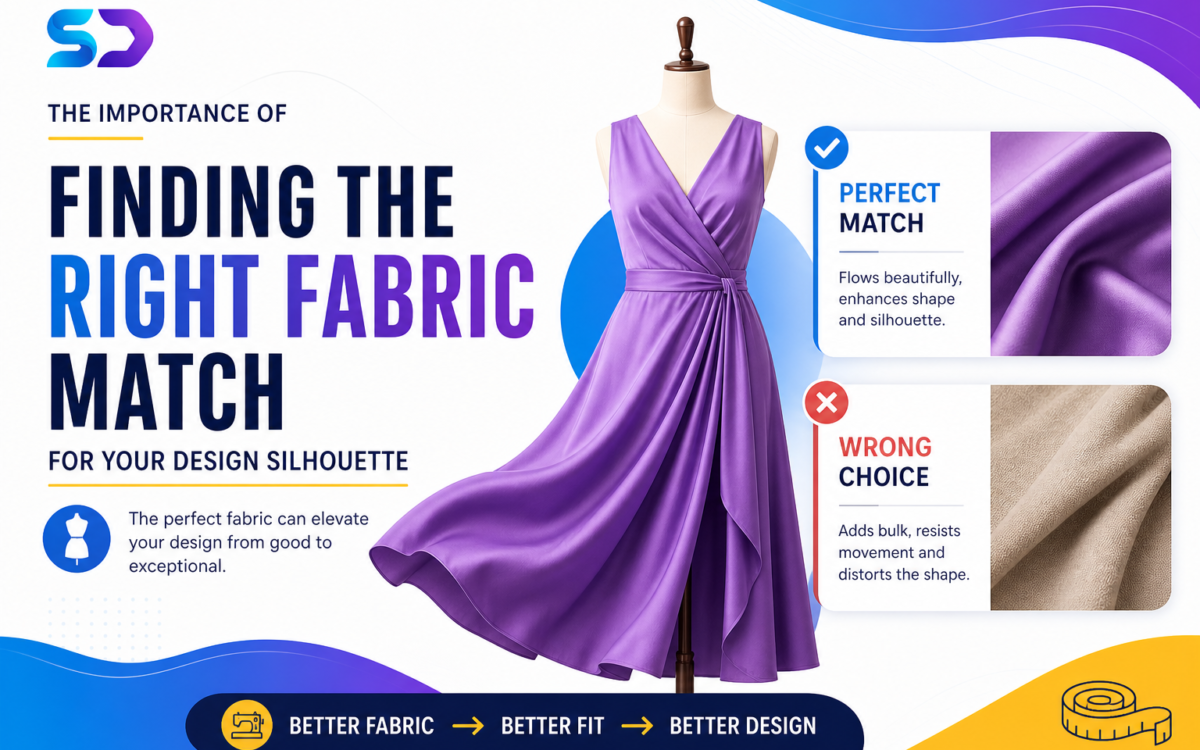
When it comes to fashion and apparel design, selecting the right fabric is just as crucial as the silhouette itself. The harmony between fabric and design determines not only the aesthetic appeal but also the functionality, comfort, and longevity of the garment. A mismatched fabric can distort the intended shape, compromise the garment’s durability, or even make it uncomfortable to wear. Let’s explore why fabric choice is essential for design silhouettes and how to select the perfect match.
Understanding Fabric and Silhouette Relationship
Silhouette refers to the overall shape and structure of a garment, defining how it drapes on the body. Fabric, on the other hand, determines the fluidity, stiffness, and overall movement of that silhouette. The interplay between fabric and silhouette dictates whether a design remains true to its concept or falls flat. For example, a flowy, ethereal gown requires a fabric that moves gracefully, while a structured blazer demands a material that holds its shape.
Key Factors in Matching Fabric to Silhouette
-
Fabric Weight
The weight of a fabric influences how it drapes and falls on the body. Fabrics are typically categorized as:
- Lightweight fabrics (e.g., chiffon, organza, silk): Ideal for airy, flowy silhouettes like A-line dresses and soft blouses.
- Medium-weight fabrics (e.g., cotton, linen, denim): Suitable for structured dresses, skirts, and everyday wear.
- Heavyweight fabrics (e.g., wool, leather, canvas): Best for tailored coats, structured blazers, and fitted garments.
-
Drape and Flow
Drape refers to how a fabric hangs or conforms to a shape. Some silhouettes require fluid movement, while others need rigidity:
- Fabrics with high drape (e.g., silk, jersey) work well with flowing silhouettes like maxi dresses and wrap dresses.
- Fabrics with low drape (e.g., denim, tweed) are perfect for structured silhouettes like A-line skirts and fitted blazers.
-
Stretch and Flexibility
Garments that require ease of movement or body contouring benefit from stretch fabrics:
- Knits and spandex blends are excellent for body-hugging silhouettes like leggings and fitted dresses.
- Woven fabrics with little to no stretch suit boxy or oversized silhouettes, such as trench coats and shift dresses.
-
Texture and Surface Finish
The texture of a fabric enhances or diminishes certain silhouettes:
- Smooth, shiny fabrics (e.g., satin, silk) add a sleek, sophisticated touch to draped or fitted designs.
- Rough or matte fabrics (e.g., wool, tweed) create a structured, bold appearance for tailored looks.
- Sheer fabrics (e.g., tulle, organza) introduce an ethereal, delicate effect for layered silhouettes.
-
Fabric Stiffness and Body
Some designs rely on a fabric’s ability to hold its shape:
- Stiff fabrics (e.g., taffeta, canvas) support architectural and exaggerated silhouettes.
- Soft fabrics (e.g., rayon, modal) complement relaxed, effortless silhouettes.
Common Silhouettes and Their Ideal Fabric Matches
-
A-Line Silhouette
- Ideal Fabrics: Cotton, linen, taffeta, wool
- Why? These fabrics provide the right structure without overwhelming the design, allowing a clean, flared shape.
-
Bodycon Silhouette
- Ideal Fabrics: Stretch jersey, spandex blends, ribbed knits
- Why? Fabrics with stretch enhance fit and comfort while accentuating body curves.
-
Flowing and Draped Silhouettes
- Ideal Fabrics: Chiffon, silk, rayon, crepe
- Why? These lightweight fabrics enhance movement and fluidity, creating a soft, romantic effect.
-
Structured and Tailored Silhouettes
- Ideal Fabrics: Wool, denim, gabardine, twill
- Why? Sturdy fabrics hold shape well, providing the necessary support for clean lines and defined angles.
-
Oversized or Boxy Silhouettes
- Ideal Fabrics: Heavy cotton, linen, boucle, neoprene
- Why? These fabrics maintain volume and create a strong presence without collapsing.
Conclusion
Choosing the right fabric for your design silhouette is essential for achieving the desired look, comfort, and wearability of a garment. By understanding fabric weight, drape, texture, and structure, designers can bring their creative visions to life effectively. Whether designing a sleek evening gown or a structured blazer, the perfect fabric match will ensure that the silhouette remains true to its intended form while offering an exceptional wearing experience. When in doubt, experimenting with fabric swatches and mock-ups can help fine-tune the perfect pairing for your design.